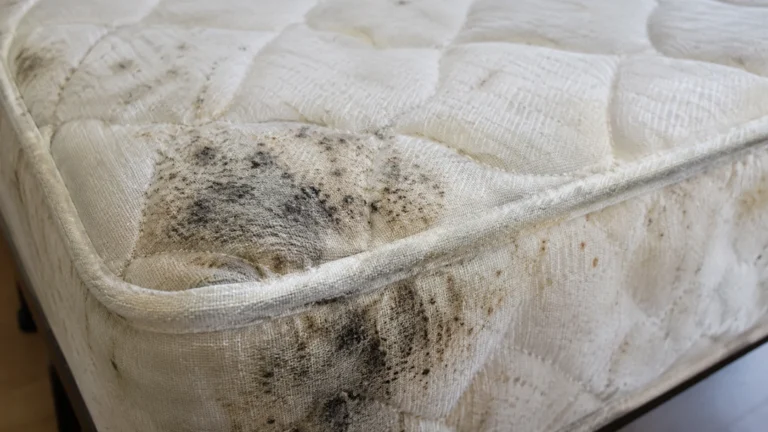
Latest Trial: Mold on Mattress | How to... →

We make a mess on purpose so your home stays spotless.

Burnt oven crusts, calcium-etched shower glass, turmeric on white linen, and industrial label gum. We test standard grocery formulas against high-end cleaners on genuine surfaces.

340+ Real Stains Tested
0 Brand Sponsorships
48 hrs Min. Cure Time
100% Surface Safe Verified
Laboratory Standards

How we verify every cleaning claim

Internet cleaning hacks are often useless or outright dangerous for expensive counters. Here is our rigorous three-phase benchmark before we publish any guide.

🧪
Phase 01

Accelerated Curing

We never clean fresh spills. Every test stain is left to bake under heat lamps or dry for 24 to 72 hours before treatment.

Standard: Real dried grime replication
🔬
Phase 02

Substrate Inspection

A cleaner that removes grease but etches stone or dulls varnish fails automatically. We check micro-pitting under angled beam lights.

Standard: Zero microscopic abrasion
⚡
Phase 03

Effort vs. Ratio

Nobody wants to scrub for two hours. We log exact dwell times, wipe passes, and chemical safety to provide practical routines.

Standard: Minimum mechanical friction
Chemical Matrix

Common surface compatibility rules

Never ruin an expensive finish with unverified lifehacks. Reference our lab-tested chemical safety guide:

Natural Marble / Travertine
Vinegar / Acid ❌ Never (Etches)
Baking Soda ⚠ Mild Risk
Peroxide ✓ Safe (Dilute)
Shower Glass Enclosures
Vinegar / Acid ✓ Effective
Baking Soda ✓ Safe Paste
Peroxide ✓ Disinfects
Engineered Quartz
Vinegar / Acid ⚠ Short Dwell
Baking Soda ⚠ No Dry Scrub
Peroxide ✓ Safe (<10m)
Finished Hardwood Floors
Vinegar / Acid ❌ Strips Poly
Baking Soda ❌ Scratches
Peroxide ❌ Bleaches
Clear Answers

Common testing questions

Does mixing vinegar and baking soda actually clean anything? ▾
No. Chemically, mixing sodium bicarbonate (a base) with acetic acid (an acid) produces water, carbon dioxide gas, and sodium acetate. The fizzing looks impressive, but the resulting mixture is essentially weak salt water with virtually zero grease-cutting power. Use them sequentially, not mixed together.
Why do commercial toilet bowl cleaners damage chrome faucets? ▾
Most heavy-duty bowl cleaners contain hydrochloric acid (muriatic acid). Even ambient acid fumes can strip the micro-thin nickel and chrome plating off bathroom fixtures within minutes, turning them permanently black.
Are melamine foam sponges (Magic Erasers) safe on all surfaces? ▾
No. Melamine foam is microscopic abrasive sandpaper (roughly 3000 to 5000 grit). While excellent for baseboards and shower glass, it will dull glossy car paint, strip varnish off wood furniture, and destroy the sealant on polished granite.
Lab Dispatches

Recent published test results

Real results from real surfaces. Step-by-step methods tested by Charlotte Henry and team.
View All Archives →